Spelrum
| Giraffen | 40 |
| Krokodilen | 0 |
| Elefanten | 0 |
| Musen Böjningslistan | 2 |
| Grisen Böjningslistan | 38 |
| Inloggade | 80 |
Mobilspel
| Pågående | 22 057 |
Rating
Syftet med ratingen är att visa hur skicklig du är, inte att belöna dig när du har vunnit en match. Om du möter en spelare med lägre rating så förväntas du vinna med en viss marginal. Om du inte lyckas med det så har du gjort sämre ifrån dig än vad som var förväntat och du förlorar därför rating även om du vinner matchen.
Vad påverkar din rating?
Hur din rating ändras påverkas av flera saker. Dels din och din motspelares slutpoäng i matchen och dels din och din motspelares rating innan ni började matchen. Även hur många matcher du har spelat har betydelse. Uträkningen går till på samma sätt oavsett vilket bräde eller vilken tid som spelas.
Att avbryta en match
Om du avbryter matchen räknas ratingen ut som vanligt men får du ratingökning så sätts den till noll, dvs du kan aldrig öka din rating om du avbryter. Om din motspelare avbryter matchen räknas ratingen också ut som vanligt men om du får ratingminskning så sätts den till noll, dvs du kan aldrig förlora rating om motspelaren avbryter.
Fördjupning
Ap = din slutpoäng i matchen.
Bp = motspelarens slutpoäng i matchen.
Agr = din gamla rating.
Bgr = motspelarens gamla rating.
Am = antal matcher du spelat.
Hur din rating ändras ges av formeln,


Är det tre eller fyra spelare som spelar så blir det,

Antal matcher du spelat
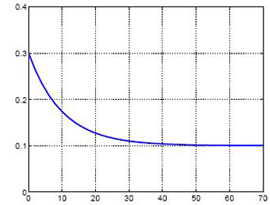
Minskning vs. antal matcher spelade För att du som ny spelare snabbare ska hitta "din" ratingnivå så ändras värdet på sista parantesen beroende på hur många matcher du har spelat. Som du kan se i diagrammet nedanför så blir ratingförändringen tre gånger så stor i första matchen jämfört med när du har spelat många matcher. Sedan sjunker värdet efter hand och efter 40-50 matcher så spelar det ingen roll hur många fler matcher du spelar.
Fyra fall
Ratingberäkningen ser lite olika ut beroende på vilket av följande fyra fall som inträffar,
* Fall 1: Båda spelarna har positiv slutpoäng.
* Fall 2: Du har positiv och motspelaren har negativ slutpoäng.
* Fall 3: Du har negativ slutpoäng och motspelaren har positiv slutpoäng.
* Fall 4: Båda spelarna har negativ slutpoäng.
Fall 1: Båda spelarna har posivit slutpoäng
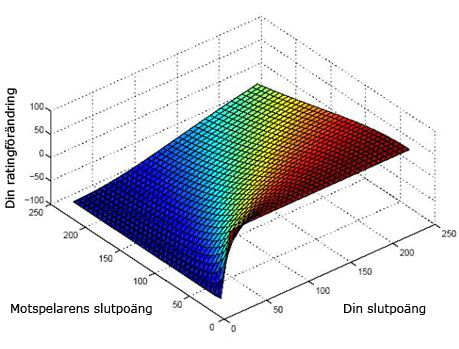
Din ratingförändring vs. motspelarens slutpoäng vs. din slutpoäng. Bilden visar en match mellan två spelare med 1500 i rating med många spelade matcher. Till höger visas din slutpoäng och till vänster motspelarens slutpoäng. Höjden visar vilken ratingförändring du får beroende på hur matchen slutar. Mörkblått resp. mörkrött betyder att du får maximal minskning resp. ökning av rating. Grönt betyder att din rating inte ändras. Maximal ökning innebär så stor ökning som möjligt med tanke på spelarnas rating, dvs när första termen i formeln är 1. Maximal minskning innebär så stor minskning som möjligt med tanke på spelarnas rating, dvs när första termen i formeln är 0.
Fall 2: Du har positiv och motspelaren har negativ slutpoäng
Motspelarens poäng sätts till noll, vilket gör att första termen i formeln blir 1. Du får alltså maximal ökning oavsett vad motspelaren har för negativ poäng.
Fall 3: Du har negativ slutpoäng och motspelaren har positiv slutpoäng
Din slutpoäng sätts till 0, vilket gör att första termen i formeln försvinner och du får maximal minskning. Eftersom första termen försvann får du samma minskning oavsett vad motspelaren har för poäng.
Fall 4: Båda spelarna har negativ slutpoäng
Den mest negativa slutpoängens absolutbelopp plussas på bådas slutpoäng. Det betyder att förlorarens slutpoäng sätts till noll. Förloraren får maximal minskning och vinnaren maximal ökning.
Vad påverkar din rating?
Hur din rating ändras påverkas av flera saker. Dels din och din motspelares slutpoäng i matchen och dels din och din motspelares rating innan ni började matchen. Även hur många matcher du har spelat har betydelse. Uträkningen går till på samma sätt oavsett vilket bräde eller vilken tid som spelas.
Att avbryta en match
Om du avbryter matchen räknas ratingen ut som vanligt men får du ratingökning så sätts den till noll, dvs du kan aldrig öka din rating om du avbryter. Om din motspelare avbryter matchen räknas ratingen också ut som vanligt men om du får ratingminskning så sätts den till noll, dvs du kan aldrig förlora rating om motspelaren avbryter.
Fördjupning
Ap = din slutpoäng i matchen.
Bp = motspelarens slutpoäng i matchen.
Agr = din gamla rating.
Bgr = motspelarens gamla rating.
Am = antal matcher du spelat.
Hur din rating ändras ges av formeln,
Är det tre eller fyra spelare som spelar så blir det,
Antal matcher du spelat
Minskning vs. antal matcher spelade För att du som ny spelare snabbare ska hitta "din" ratingnivå så ändras värdet på sista parantesen beroende på hur många matcher du har spelat. Som du kan se i diagrammet nedanför så blir ratingförändringen tre gånger så stor i första matchen jämfört med när du har spelat många matcher. Sedan sjunker värdet efter hand och efter 40-50 matcher så spelar det ingen roll hur många fler matcher du spelar.
Fyra fall
Ratingberäkningen ser lite olika ut beroende på vilket av följande fyra fall som inträffar,
* Fall 1: Båda spelarna har positiv slutpoäng.
* Fall 2: Du har positiv och motspelaren har negativ slutpoäng.
* Fall 3: Du har negativ slutpoäng och motspelaren har positiv slutpoäng.
* Fall 4: Båda spelarna har negativ slutpoäng.
Fall 1: Båda spelarna har posivit slutpoäng
Din ratingförändring vs. motspelarens slutpoäng vs. din slutpoäng. Bilden visar en match mellan två spelare med 1500 i rating med många spelade matcher. Till höger visas din slutpoäng och till vänster motspelarens slutpoäng. Höjden visar vilken ratingförändring du får beroende på hur matchen slutar. Mörkblått resp. mörkrött betyder att du får maximal minskning resp. ökning av rating. Grönt betyder att din rating inte ändras. Maximal ökning innebär så stor ökning som möjligt med tanke på spelarnas rating, dvs när första termen i formeln är 1. Maximal minskning innebär så stor minskning som möjligt med tanke på spelarnas rating, dvs när första termen i formeln är 0.
Fall 2: Du har positiv och motspelaren har negativ slutpoäng
Motspelarens poäng sätts till noll, vilket gör att första termen i formeln blir 1. Du får alltså maximal ökning oavsett vad motspelaren har för negativ poäng.
Fall 3: Du har negativ slutpoäng och motspelaren har positiv slutpoäng
Din slutpoäng sätts till 0, vilket gör att första termen i formeln försvinner och du får maximal minskning. Eftersom första termen försvann får du samma minskning oavsett vad motspelaren har för poäng.
Fall 4: Båda spelarna har negativ slutpoäng
Den mest negativa slutpoängens absolutbelopp plussas på bådas slutpoäng. Det betyder att förlorarens slutpoäng sätts till noll. Förloraren får maximal minskning och vinnaren maximal ökning.